
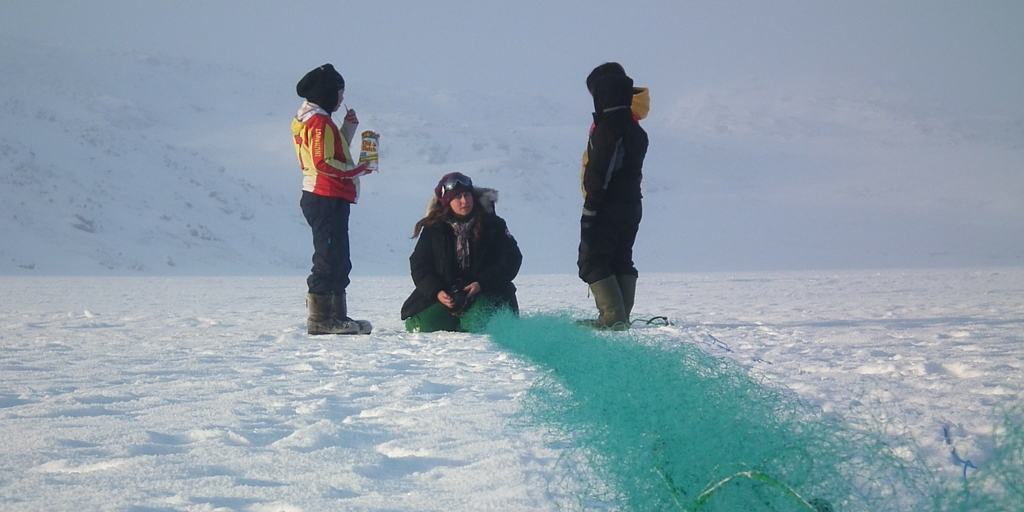
 Diabetes was unheard of in Indigenous communities five or six generations ago, but today it is a disease that continues to affect this population at an alarming rate. For the Inuit of Northern Canada, sukaqaluartuq or timi siuraujaartuqaluartuq, meaning “too much sugar within the body”, is now commonplace. Although it has affected a relatively small number of Inuit compared to the over 10 million Canadians living with the disease, diabetes in Nunavut is a major ticking time bomb because of its rapid rate of growth reaching 110%, by far exceeding the 30% rate in the rest of Canada (2003-2008).
Unfortunately, the rate of diabetes continues to grow in Nunavut, and is even higher in Nunavik, in large part due to a combination of factors in that environment: food insecurity, poverty, a move away from the traditional Inuit lifestyle, and the negative impact of global pollutants and animal rights campaigns on key food systems. Any solution to this health crisis must address the need for better access to traditional foods, alongside a realistic approach to refined diets, delivered in a culturally-appropriate and Inuit-centric manner.
Traditional Country Food vs Refined Food

Photo Credit: Julia MacPherson

Photo Credit: US Department of Agriculture
The traditional Inuit diet is based on hunted meat and fished food sources like caribou, muskox, seal, walrus, and whale, among many others, providing the body with high protein and fats, and low carbohydrates. This diet does not affect blood sugar levels in the body, but instead provides it with an excellent source of energy and endless health benefits.
A diet based on refined, processed, low-nutrient/high glucose (sugar) foods directly affects blood sugar levels because the body digests these foods, breaking them down into their basic composition: simple sugars. This type of diet is generally also low in fruit and vegetables that provide nutrients, and act as an important source of fiber necessary to move excess blood glucose out of the body. Refined foods provide the body with short bursts of energy from sugar highs, followed by deep sugar lows that affect energy levels and mood, and offer none of the necessary nutrients for healthy living. This lifestyle clearly increases the chances of developing pre- and full blown diabetes.
According to the Canadian Diabetes Association (CDA), diabetes is a chronic, usually debilitating, and in some cases a fatal disease, in which the body either cannot produce insulin, a hormone that controls the amount of glucose (sugar) in the blood, or cannot properly use the insulin it produces to remove the excess sugar from the blood stream. This makes it impossible for the body to use insulin to convert sugar into a source of energy. The treatment for diabetes includes two separate approaches:
- Using medication to get the body to process the excess sugar in the blood
- Making dietary changes to reduce or manage the levels of sugar in the body.
Regular access to traditional country food is key to slowing down the rate of diabetes among the Inuit, however there are several underlying factors that continue to pose serious challenges for this population to access nutrient-rich diets: the high cost and amount of time associated with hunting (i.e. the price of gasoline for boats, or the cost of bullets); the lack of hunting knowledge in younger generations; and the fluctuating availability of game at different times of the year. Unfortunately, the country food challenge can’t just be wiped away as it has its origins in 30 years of biased, colonial, and misinformed animal rights’ campaigns that vilified the fur industry and the people whose livelihood depended on it, drastically diminishing their ability to live and feed off the land. The efforts of these organizations negatively affected socio-economic and health factors still entrenched in many Northern Canada communities.

Photo Credit” Genevieve Wendy Nutarariaq
Food insecurity and the rise in diabetes in Northern Canada can be linked in part to the results of Greenpeace’s anti-seal campaigns, and similar activities by groups like the International Fund for Animal Welfare (IFAW). Greenpeace’s anti-whaling and anti-seal campaigns persuaded the international community to ban fur trading, causing many communities in Nunavut to experience devastating drops in seal hunting revenue, with some seeing the change go from $50,000 down to $1,000 annually. This massive loss of income meant that many hunters and their families had to turn to welfare and social service programs in order to survive. Suicide rates increased as many of these individuals were no longer connected to their land or traditional lifestyle.
With less income and access to hunting, many families were forced to accept more western lifestyles that required them to rely on jobs instead of hunting. Removing the livelihood of many hunters removed traditional country food from families’ tables and introduced low-nutrient, processed foods into their diets on a larger scale. Greenpeace’s success in persuading countries to ban fur correlates with this chain of events, and has had a long-lasting impact on the livelihood, health and wellness of the Inuit. According to Iqaluit Mayor Madeleine Redfern, “Thirty-five years after Greenpeace’s initial anti-sealing campaign, Nunavut Inuit suffer extremely high rates of malnutrition and poverty, with seven out of 10 Inuit preschoolers being food insecure”.
The reality for many Inuit communities is that it is nearly impossible to move away from a processed diet to a more traditional one. Also, it is a Southern bias to expect Inuit to return to a traditional food diet – just because it’s healthier! (That comes very close to blaming them for the diabetes epidemic.) Instead, it might be more valuable to look for ways to better balance a diet in a limited food and financial resources environment. By focusing on the benefits of certain country foods to slow down or stop diabetes, and on ways to combine these with refined foods, there may be a more realistic chance of lowering the rate of the disease in individuals, and in the community as a whole.
- Regular consumption of seal meat seems to have some preventative measures against diabetes, possibly due to its high level of fatty acids.
- Raw fish retains the highest level of fatty acids compared to cooked fish where the heat destroys the fragile fatty acids that the human body must get from its diet because unlike other nutrients, it cannot produce fatty acids themselves.
- Meat and fish protein takes longer to burn than the simple sugars in junk food, providing a longer and healthier source of energy.
- Although a delicacy for Inuit, marine mammals like pilot whales, beluga, and narwhal, tend to have larger amount of pollutants in them. Being higher on the food chain means that their tissues tend to accumulate more pollutants in their fat. One study on the elderly residents of Arctic Faroe Islands found that a life-long diet of these mammals increased the risk of diabetes due to the existence of organic pollutants in their bodies. (Nunavut Diabetes Rate Soars Nov 2011)
Arctic char is less contaminated and can be a good alternative to regular consumption of beluga, etc. In fact, health officials encourage pregnant women in Nunavik to eat char as a means of lowering mercury levels in their bodies (How Brain-Damaging Mercury Puts Arctic Kids at Risk. March 27 2015). In addition, pregnant women are advised not to eat seal liver that is high in mercury and pollutants that can be absorbed by the fetus and cause serious and permanent brain damage and developmental delays.

Photo Credit: Julia MacPherson
- Refined, ‘white’ foods including white bread, white rice, (white) potatoes, and pasta, quickly convert in the body into sugar. These foods could be eaten along with proteins, fats and fiber, in order to create a slower release of energy into the body.
- Processed food generally lacks fiber that plays an important role in removing excess sugar, toxins, and digestion by-products from the body. Local or frozen fruits and vegetables can increase fiber to help move excess glucose out of the body.
Local berries offer an excellent source of nutrients and a recent study showed that aqpiks, Arctic or cloudberries, are not only good for overall health, but can prevent or even diminish the effects of diabetes. Related: Arctic berries may hold key to diabetes prevention among Inuit.
Frozen fruit offer the same amount of fiber as fresh fruit. Raspberries tend to be high in fiber compared to other fruits.

Photo Credit: Julia MacPherson
The need for Inuit-specific research is much needed as the rate of diabetes in this population continues to expand. Unfortunately, without systemic change to the social determinants of health in these communities (lifestyle, food insecurity, poverty, the effects of climate change and the bans on fur trading), this epidemic will continue into the next generation of Inuit. It makes sense to use culturally-appropriate, realistic solutions to dietary changes on the ground, but a true solution would also include an overhaul to the federal government’s Nutrition North Canada (NNC) program, to better provide the Inuit with access to affordable, fresh foods that could pose a bigger challenge to the diabetes epidemic.